2026 Kia PV5 Camper Van : Kia’s PV5 camper van concept morphs into a real-world game-changer for 2026, blending modular electric guts with off-grid vibes that scream freedom for weekend warriors and full-time nomads.
Showcased as the rugged PV5 WKNDR at SEMA, this Purpose-Built Vehicle (PBV) swaps cargo hauls for pop-up kitchens, roof tents, and trail-ready stance, all powered by swappable batteries up to 71.2kWh for 400+ km range.
Hitting markets like Korea, Europe, and Australia from late 2025 into 2026, with India whispers around Rs 80 lakh, it’s poised to disrupt camper life with V2L power for camp stoves and zero-emission torque conquering dirt roads.
Rugged Design Built for Trails and Camps
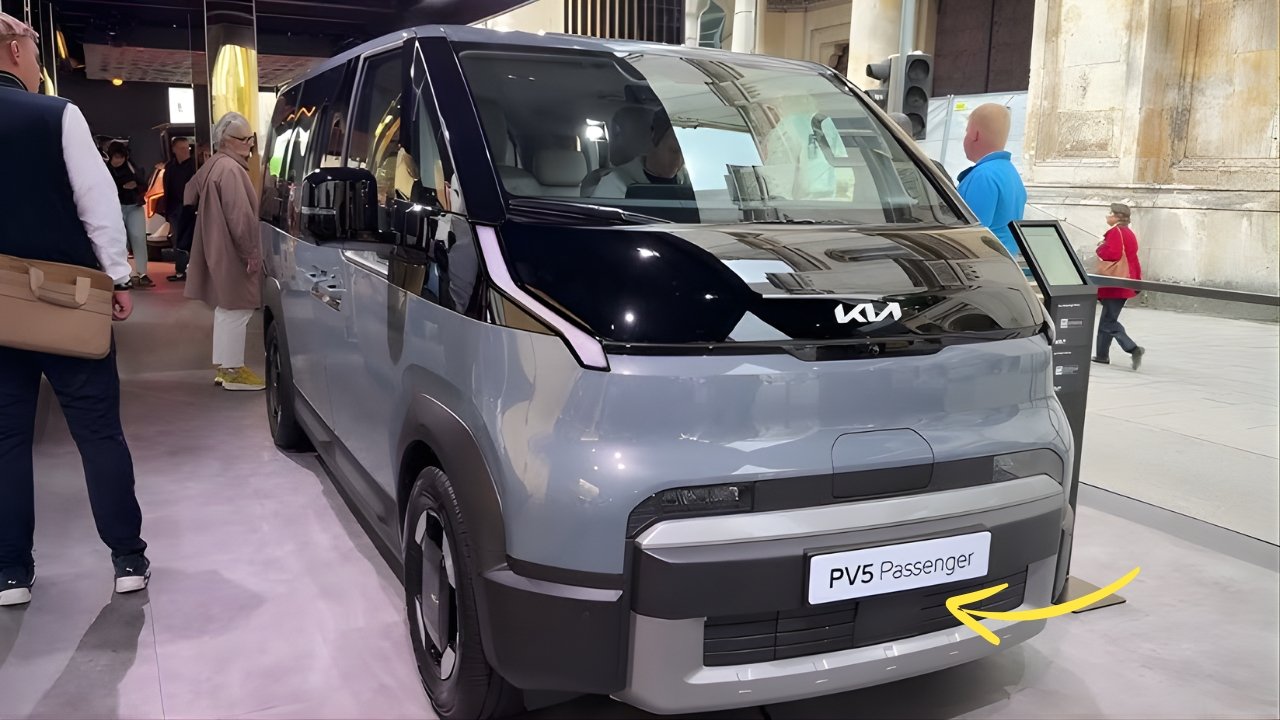
Picture a boxy beast at 4,695mm long, 1,895mm wide, and up to 1,923mm tall on a 2,995mm wheelbase—Kia amps the PV5 WKNDR with lifted suspension, chunky all-terrain tires, and black cladding shrugging off mud splatters from Himalayan passes or Aussie outbacks.
Futuristic Tiger Face LEDs integrate low beams into bumpers for branch-proof durability, while three-piece crash parts swap easy after rock kisses. Sliding side doors at 775mm wide and 399mm low step-in let you load coolers or bikes sans back strain, with optional power sliders sealing out monsoon drips.
Also Read This : POCO C61 5G – Stylish design smartphone launch with super fast charging
Campers digging the concept rave about roof rails hauling tents or kayaks, and the 85° tailgate dumping gear under rain cover. Modular body kits let you bolt on awnings or solar panels, turning it from daily driver to bush basecamp overnight.
Interior Flexes for Sleep, Cook, and Chill
Fold-flat seats create a 3,615L cavern—enough for queen mattresses, fold-out kitchens, or nine golf bags if golfing’s your jam—but WKNDR trims add swivel fronts, removable tables, and stain-proof fabrics handling curry spills or muddy boots.
Up to seven seats (five standard) with 1,041mm front legroom and USB-C ports everywhere keep the crew charged during long hauls. 12.9-inch Android Automotive touchscreen runs Pleos app store for off-grid nav or campfire tunes, paired with 7.5-inch digital cluster tracking battery flow.
Van-lifers love the V2L outlets pumping 3.68kW for blenders, projectors, or electric kettles inside/out, no genny hum ruining sunsets. Ambient lighting and heated/vented seats make starry nights cozy, with AddGear hooks stashing lanterns or hammocks.
Electric Powertrain Tackles Range and Ruggedness
Front-mounted PMSM motor dishes 120kW/250Nm from 51.5kWh (183-265 miles WLTP) or 71.2kWh packs (256-364 miles), zipping 0-100 km/h in 10.7 seconds with one-pedal regen and 30-min 10-80% DC top-ups.
No diesel here—pure EV torque conquers inclines silently, with 150kW fast charging at depots or campsites. FWD setup pairs double-wishbone fronts and torsion-beam rears for compliant pothole munching, while trailer tow hits 1,500kg for bike racks or dinghies.
Off-road tweaks in WKNDR spec grip gravel sans low-range, and 160,000km battery warranty (extendable) eases range anxiety on epic loops. Real-world tests clock 300+ km mixed, sipping efficiently unloaded.
Camper-Specific Gear Turns It Into a Home
WKNDR edition slaps on a pop-top roof tent sleeping four, slide-out kitchen with sink/stove/fridge running off V2L, and modular storage for solar extras or water tanks. Flat floor post-fold hosts air mattresses or yoga mats, while 1,330L behind seats hauls groceries for week-long vanishes. Roof rack maxes 100kg for panels or SUPs, and optional heat pump keeps interiors balmy in hill station chills.
Also Read This : 2026 Renault Duster – New luxury SUV with 360 degree camera features
Early prototypes wow with tailgate projectors for movie nights under pines, and magnetic AddGear snapping lanterns or coolers anywhere. It’s no Rivian R1T, but camper smarts at van price flip the script on tent life.
Tech and Safety Keep You Connected Off-Grid
Highway Driving Assist with lane centering cruises motorways hands-free(ish), while blind-spot collision avoidance and rear cross-traffic brakes watch flanks on blind merges. Surround cams and parking sensors nail tight forest spots, with Digital Key 2.0 sharing access via phone for group trips. OTA updates tweak ADAS or add apps like Pleos for fleet tracking if renting it out.
Nomads praise the low-floor ease for wheelchair mods or kids, and capacitive wheel detection nagging dozy drivers. Full LED matrix lights pierce fog, safer than gas guzzlers belching fumes.
Ride Quality Suits Highways and Hidden Trails
Retuned dampers iron urban jars while off-road modes firm up for ruts, with precise steering threading narrow tracks. Quiet EV cabin amplifies birdsong or podcasts, and regen paddles fine-tune downhill control sans brake fade. GVW caps 2,600kg loaded, stable towing quads or campers.
Reviewers note the planted feel merging freeways or dodging potholes, quieter than diesel rivals vibrating your fillings loose. City agility shines parallel parking at viewpoints.
Pricing and Global Rollout Scoop
Essential passenger starts £32,995 (Rs 35 lakh) in UK with 51.5kWh, Plus long-range nearer £40k with V2L/heat pump; WKNDR campers eyed $50-70k USD equivalents. Korea/Europe first H2 2025, Australia Q2-Q3 2026, India speculative Sep 2026 at Rs 80 lakh CBU. Pre-orders open soon, with 16 variants including wheelchair access.
Also Read This : Redmi Note 13 Pro 5G – Powerful features smartphone launch with budget price
Incentives and fleet deals could shave chunks, especially for EV rebates down under or EU greens.
2026 Kia PV5 Camper Van Conclusion
Kia’s 2026 PV5 camper van nails the holy grail of electric adventure—modular muscle, marathon range, and home-on-wheels hacks that banish gas station blues forever. From family escapes to solo soul-searching, it empowers off-grid dreams with zero tailpipe guilt, proving EVs crush camper tropes. As van life booms worldwide, snag this pioneer before trails get crowded; Kia’s PBV future just got a whole lot wilder.